
If you’re looking for an electrical contractor or electrician, understanding relevant industry accreditations can make the difference between a safe, compliant installation and one that creates problems further down the line.
NICEIC accreditation is one of the most widely recognised marks of quality in the electrical industry, but it is not always clear what it means in practice, what checks are involved, or why it matters for your specific project. This guide breaks down everything you need to know.
Key Takeaways
- NICEIC accreditation is an independent assessment scheme confirming that an electrical contractor meets current UK safety standards and wiring regulations, with different schemes available depending on the type of work carried out.
- While not a legal requirement, choosing an NICEIC-accredited contractor provides verified competence, proper certification, and ongoing quality assurance through regular reassessment.
- Accreditation involves a thorough assessment process covering qualifications, on-site inspections, testing procedures, documentation, and insurance.
- You can confirm whether a contractor is currently registered using the official NICEIC Find a Contractor directory, or by checking the UK government’s Competent Person Register.
What Is NICEIC Accreditation?
NICEIC accreditation is a recognised mark of quality within the electrical industry, showing that an electrician or electrical contractor has been independently assessed and approved to carry out work safely and to a high professional standard.

What Does NICEIC Stand For?
NICEIC stands for the National Inspection Council for Electrical Installation Contracting, one of the UK’s leading regulatory bodies for electrical contractors.
What Are the Different Types of NICEIC Accreditation?
NICEIC accreditation is not a single standard. It is divided into different schemes depending on the contractor’s qualifications, scope of work, and the type of projects they are approved to carry out.
Approved Contractor Scheme
This is the most comprehensive accreditation and covers commercial, industrial, and domestic work. It also includes competence for inspection and testing, such as issuing Electrical Installation Condition Reports (EICRs). It is typically suited to contractors working across complex or large-scale projects.
Domestic Installer Scheme
This scheme is focused exclusively on residential electrical work. It confirms competence to comply with Part P of the Building Regulations in England and Wales and is commonly held by contractors carrying out home rewires, kitchen and bathroom installations, or additional socket and lighting work.
Specialist Schemes
NICEIC also offers additional accreditations for specific sectors. These include the MCS Installer Scheme for renewable technologies such as solar panels, battery storage, and heat pumps, as well as schemes supporting compliance for rental properties and self-certification under Building Regulations.
When hiring an electrician, it is important to check which scheme they are accredited under to ensure they are qualified for the specific type of work required.
What Are the Benefits of an NICEIC Accredited Electrical Contractor?
Choosing an NICEIC-accredited electrical contractor provides reassurance that the work is carried out to recognised industry standards and meets current safety and compliance requirements.
- Regulatory compliance: Work is completed in line with the latest UK wiring regulations, ensuring legal and safety standards are met.
- Improved safety: Electrical installations are carried out with a strong focus on reducing risks such as faults, shocks, and fire hazards.
- Verified competence: Contractors have been independently assessed to confirm their technical ability and workmanship.
- Ongoing quality checks: Regular reassessments help ensure consistent standards are maintained over time.
- Proper certification: All work is correctly tested and certified, providing essential documentation for insurance and property requirements.
- Customer confidence: Accreditation provides reassurance that the contractor has been independently vetted and approved.
Is NICEIC Accreditation a Legal Requirement?
NICEIC accreditation is not a legal requirement for electrical contractors in the UK. However, all electrical work must still comply with the latest UK wiring regulations and building regulations, regardless of whether a contractor is accredited.
Choosing an NICEIC-accredited electrician provides reassurance that the work has been independently assessed for safety and compliance, but it is not mandatory by law to use one.
What Checks Are Required for NICEIC Accreditation?
NICEIC accreditation involves a structured assessment process to confirm that an electrical contractor is competent, compliant, and working safely to current UK standards. It is based on both documentation and practical inspection of real work, and it is reviewed on an ongoing basis.
The main checks typically include:
- Review of qualifications and training: assessors confirm that electricians hold the correct qualifications and have up-to-date training relevant to current wiring regulations and industry practices.
- Assessment of recent work: a selection of completed or ongoing jobs is reviewed to ensure workmanship consistently meets required standards.
- On-site inspection: a NICEIC assessor visits live or completed sites to assess installation quality, safety measures, and overall compliance with the BS 7671 Wiring Regulations.
- Testing and inspection procedures: contractors must demonstrate the correct testing methods and provide evidence that electrical installations have been properly verified and certified.
- Documentation and certification checks: electrical certificates, records, and compliance paperwork are reviewed to ensure accuracy, completeness, and traceability.
- Insurance and business compliance: appropriate insurance cover and basic business documentation are verified as part of the assessment.
- Ongoing reassessment process: contractors are reassessed regularly to ensure standards are consistently maintained over time.
BETEC Electrical recently had its latest inspection in May 2026, demonstrating continued compliance with NICEIC requirements.
How to Verify and Find NICEIC Registered Contractors
Because NICEIC maintains a database of certified businesses, it is straightforward to confirm whether an electrician is properly registered before hiring them. This helps ensure the contractor has been independently assessed and is qualified to carry out compliant electrical work.
- Find a Contractor tool: Use the official NICEIC Find a Contractor directory to search for registered electricians in your postcode area. This allows you to check their accreditation status and confirm they are currently approved.
- Competent Person Register: NICEIC registered contractors are also listed on the UK government’s Competent Person Register, which confirms they are authorised to self-certify that their work complies with Building Regulations.
Safe Installation from BETEC Electrical Contractors
BETEC Electrical delivers professional electrical services for both residential and commercial clients, backed by over 40 years of hands-on industry experience. The team is fully accredited, including NICEIC approval, demonstrating consistent compliance with current UK electrical standards and regulations.
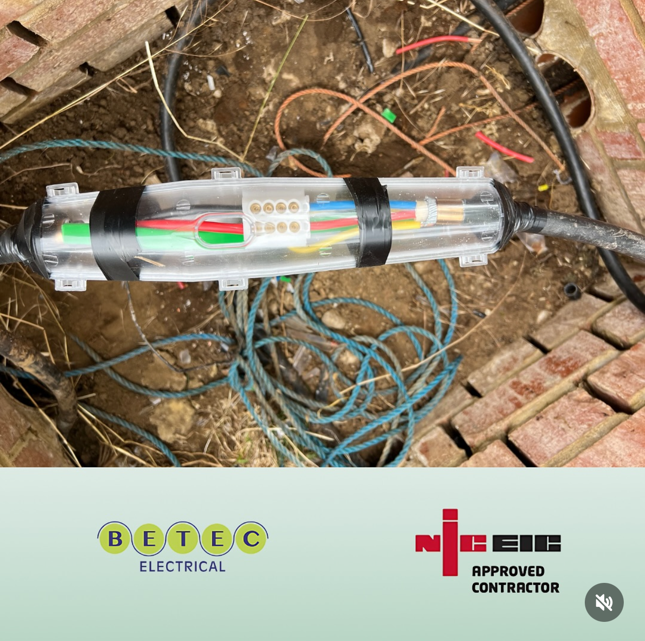
As SME-focused electrical contractors, our services are tailored to meet the specific requirements of each client, ensuring practical, efficient, and compliant solutions across all types of projects. Experience covers a broad range of sectors, including marina and coastal environments, security systems, and office installations.
Operating across Surrey and London, BETEC Electrical Contractors in Guildford is trusted for delivering a high-quality, reliable service with a strong commitment to safety and compliance.
Contact our friendly team today for more information and to get started.